Josie the Blind Lioness: How She Defied the Wild's Deadliest Rule for Five Extra Years
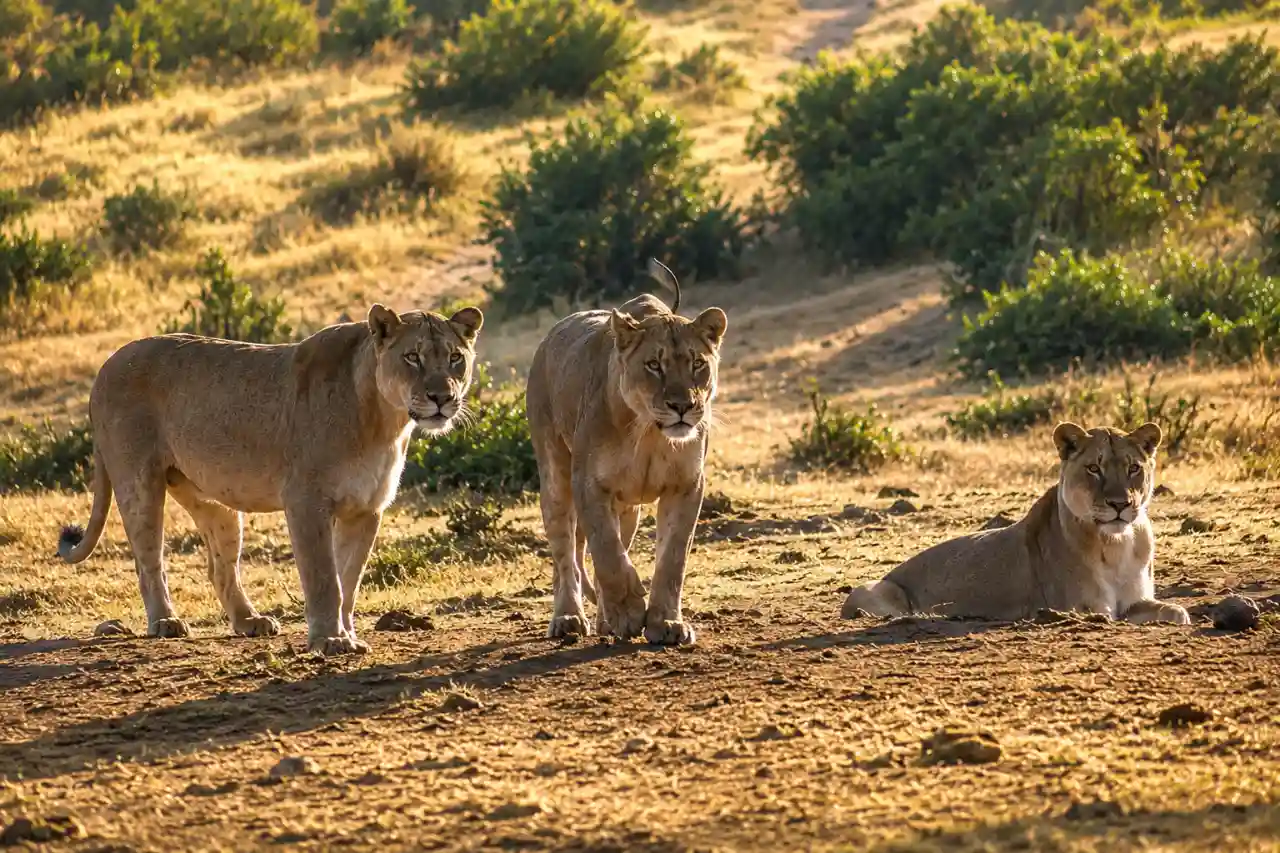
Josie, the blind lioness whose story from Addo Elephant National Park in South Africa has stuck with me ever since I learned the details because it really makes you rethink what survival looks like out in the wild. She was born in August 2008 in that beautiful but challenging reserve in the Eastern Cape, and she grew up to become the matriarch of a small, aging pride that lived in the main section of the park. The park had brought in lions years before to restore the ecosystem, and Josie was actually the granddaughter of one of those original six reintroduced back in 2003. Her two daughters, Dawn and Duffy, were born in December 2014, and the three of them plus occasional males formed this close little family that stuck together through everything. Life went on normally for a while as she hunted prey like zebras, kudus, and buffalo with the others and helped raise the young. But around 2017 her eyesight problems began to appear. The right eye went completely blind and developed that swollen, milky appearance while the left eye gradually lost strength as well. Within a few years she was totally blind, and that's when things could have gone very wrong for her. In the wild, a predator losing its sight is usually a death sentence because hunting depends on spotting and chasing prey, navigating dense bush or open areas, and avoiding conflicts with other animals or even the landscape itself. Most animals in that situation get left behind by the group, starve, or fall victim to injury or attack pretty fast since there's no time for slowing down. Yet Josie managed to live another five years or so while fully blind, and reports from visitors and guides showed she often looked in good condition, well-fed, and still moving with the pride instead of becoming isolated. That alone was surprising enough, but the real story is how it all happened and what it says about the connections between them. People who saw her in those later years described how she would walk carefully along the roads, sometimes stumbling or pausing to feel her way, but she never got abandoned like you might expect in such a tough environment where every day is a fight to stay alive.
Dawn and Duffy’s Quiet Revolution: Turning a Mother’s Blindness Into Family Teamwork in the Bush
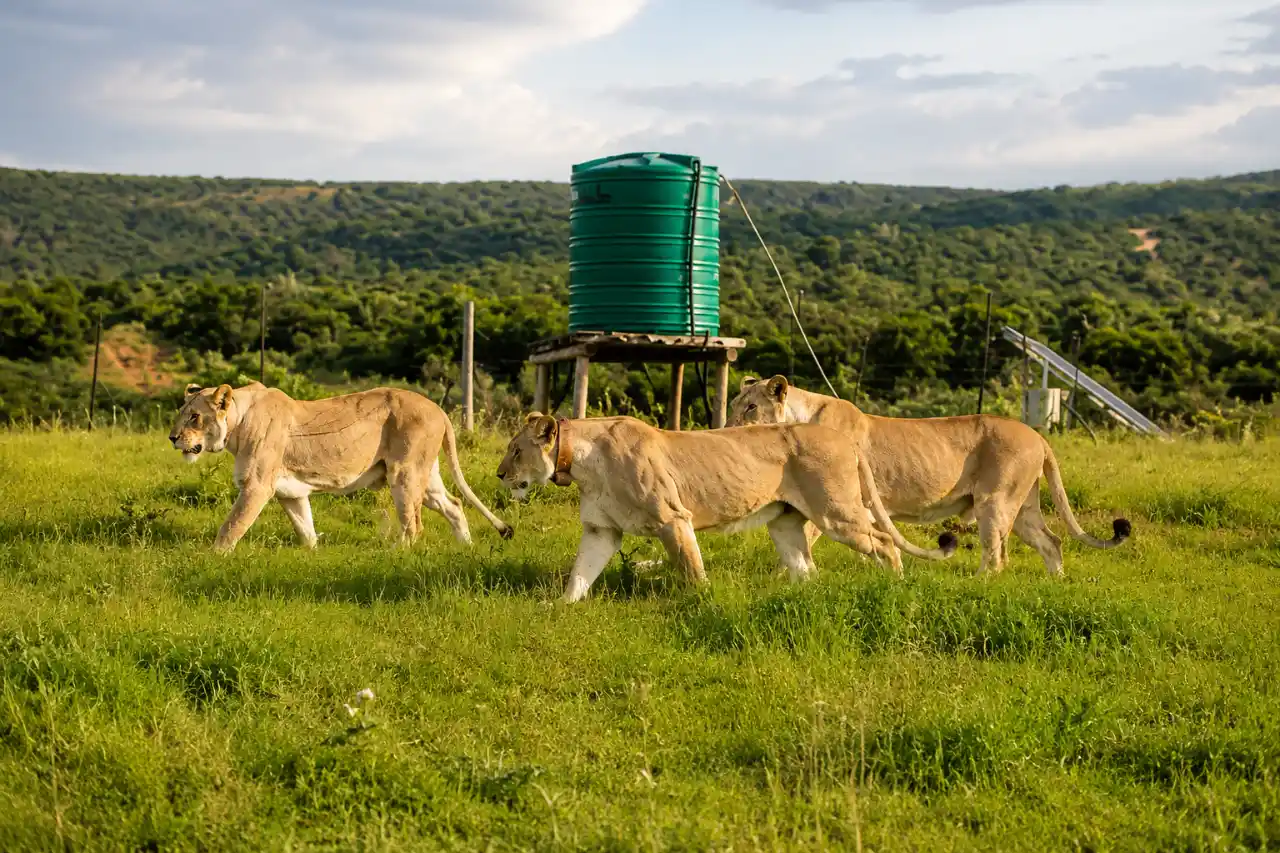
What really allowed Josie to keep going was the unwavering support from her daughters Dawn and Duffy, who never left her side even after they were grown and fully capable of surviving on their own. They stayed close to their mother constantly, taking on the hunting duties for the group and then making sure she could join in on the meals by using soft contact calls to guide her over after a kill. It wasn't just about feeding her either – they adapted their hunting style to include her in a clever way that turned her disability into part of their strategy. Sometimes they would position Josie out in a more open spot where the prey would notice her and focus their attention there, giving the daughters the chance to sneak in from the sides or rear for the actual attack. This kind of teamwork only worked because they remained a tight unit and coordinated everything together instead of going their separate ways like many prides might when one member becomes a burden. Regular observers like Steven Lang, who visited the park often and followed this particular pride for years through photos and sightings, wrote about how the three lionesses were nearly always together. If you came across one or two of them resting in the grass or walking a trail, the third was usually nearby or calling out to bring everyone back together. Josie moved in that careful, uncertain way you see in animals that can't see well, high-stepping and pausing often, but her daughters kept her safe from any dangers and made sure she remained part of the daily life of the pride without exception. The whole group was small and older with no new cubs being born for quite some time, partly due to the park's population management using birth control on the females to keep numbers balanced, but that didn't change how the daughters looked after their mom through every season. They shared every bit of food and protected her in a place where showing any weakness can quickly lead to problems from other animals or just the constant demands of surviving each day in the African bush. The photos and updates from people on the ground really brought it home how consistent this care was over those five blind years, turning what should have been the end into an extended time together as a family.
What Josie’s Life Really Proves: Loyalty in Animals Runs Deeper Than Just Survival
Josie lived to be about seventeen or eighteen years old before her health suddenly took a bad turn in October 2025. She was spotted looking unwell on the side of the road in the Colchester section of the park, and the conservation team had to make the difficult call to euthanize her because she had deteriorated so fast and they wanted to prevent any unnecessary suffering in her final moments. It wasn't the peaceful natural death you might imagine for an old animal who had lived a full life, but up until those final days she had enjoyed this extra long chapter that most blind wild lionesses never get to experience. What really stays with me and makes this story so powerful is how it challenges the usual thinking that animals only act out of pure instinct and self-interest with no room for real loyalty or care beyond what's needed to pass on genes. Josie had spent years raising and teaching those daughters when they were young cubs, showing them how to hunt and stay safe in a demanding world full of dangers and competition. Then when her own eyes failed and she needed help the most, Dawn and Duffy stepped up without hesitation to become her eyes, her hunters, and her protectors for the rest of her days. In a brutal natural setting where the strong keep moving forward and the weak often get left to fend for themselves or worse, this family chose to stay together and share everything right to the end without complaint. It makes you stop and wonder if there's more happening in the minds of these animals than just cold survival programming – maybe something like attachment or a sense of responsibility that looks a lot like the bonds we value in our own human lives. Her story isn't really about the sadness of her death or the difficulty of going blind in the wild; it's about the strength that comes from not giving up on each other even when things get incredibly hard and the odds are stacked against you. That's why it keeps getting shared across social media and wildlife communities and why it touches so many people who hear it for the first time. In the end, Josie showed that in even the toughest places on earth, relationships can make all the difference and give someone a real chance to keep living when everything else says they shouldn't be able to.