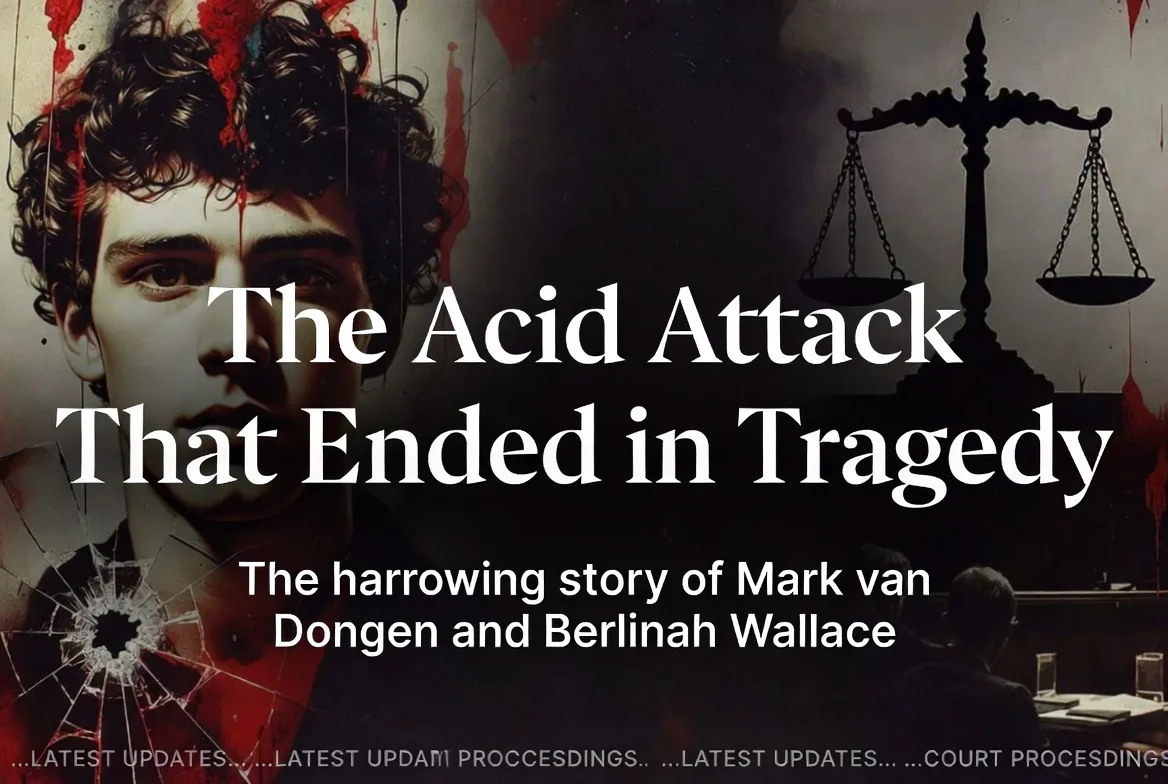
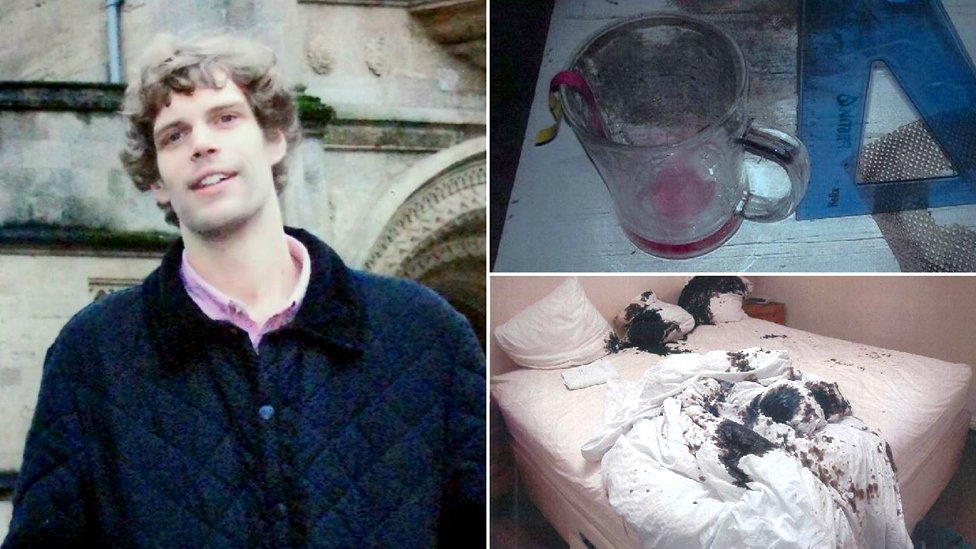
In the quiet suburbs of Bristol, United Kingdom, a relationship that began with promise ended in unimaginable horror on September 23, 2015. Berlinah Wallace, a 48-year-old former fashion student of South African origin, lured her ex-boyfriend, 29-year-old Dutch engineer Mark van Dongen, to her apartment under the pretense of a civil conversation following their breakup earlier that year. Van Dongen, who had moved on and begun a new relationship, arrived expecting reconciliation or closure. Instead, as he lay sleeping in her bed, Wallace, consumed by jealousy and rage, poured a glass of 98 percent concentrated sulfuric acid over his face and body while laughing and declaring, “If I can’t have you, no one else can.” The corrosive substance immediately began eating through his skin, causing catastrophic burns to approximately 25 percent of his body. Van Dongen awoke in agony, his skin melting, and rushed to the bathroom in a desperate attempt to wash it off with water, but the damage was irreversible. He suffered severe disfigurement, losing his left eye and ear, the sight in his right eye, and eventually his left leg, which had to be amputated. Paralysis from the neck down followed, along with months in a coma and countless surgeries. The physical torment was compounded by profound psychological suffering, transforming a vibrant young man into someone trapped in a body wracked with constant pain. Wallace had meticulously planned the attack, purchasing the acid, removing its label to avoid suspicion, and researching its devastating effects online. This premeditated act of violence not only shattered van Dongen’s life but also ignited a legal and ethical debate that would span years, highlighting the long-term consequences of acid attacks and the boundaries of criminal responsibility.
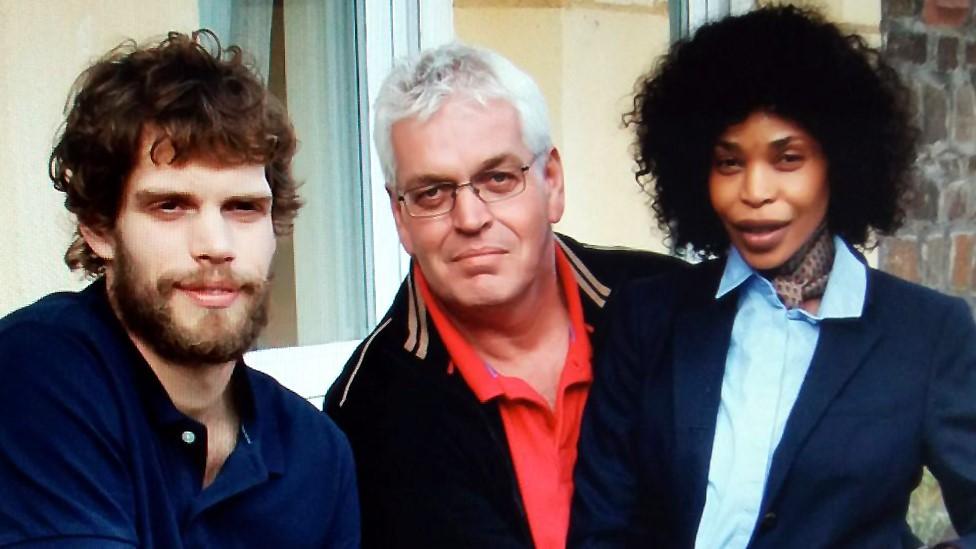
The aftermath of the assault revealed the full extent of van Dongen’s ordeal and tested the limits of medical science and human endurance. Hospitalized at Southmead Hospital in Bristol, he endured over a year of intensive care, including debridement procedures and reconstructive surgeries. Medical staff described his screams upon seeing his reflection, and van Dongen repeatedly begged his father, Kees van Dongen, to end his suffering, uttering words like “Kill me now” when confronted with his disfigured appearance. Despite the best efforts of doctors, the acid continued to cause ongoing damage, affecting nerves, bones, and tissues long after the initial attack. By late 2016, with his condition deemed irreversible and his quality of life nonexistent, van Dongen was transferred to Belgium, where euthanasia is legally permitted under strict criteria. Three independent consultants evaluated his case and approved the procedure based on “unbearable physical and psychological suffering.” On January 2, 2017, at the age of 29, Mark van Dongen died by assisted suicide, holding his father’s hand in his final moments. His death transformed the case from one of grievous bodily harm into a profound tragedy that raised questions about causation in homicide law. Prosecutors argued that Wallace’s actions directly led to his death, charging her with murder and manslaughter in addition to the initial count of throwing a corrosive substance with intent. The trial, held at Bristol Crown Court in 2018, drew intense media scrutiny across the UK and beyond, serving as a stark reminder of the rising incidence of acid attacks and their life-altering impact on victims and families. Wallace’s defense contended that while the attack was horrific, van Dongen’s decision to seek euthanasia broke the chain of causation necessary for a murder conviction.
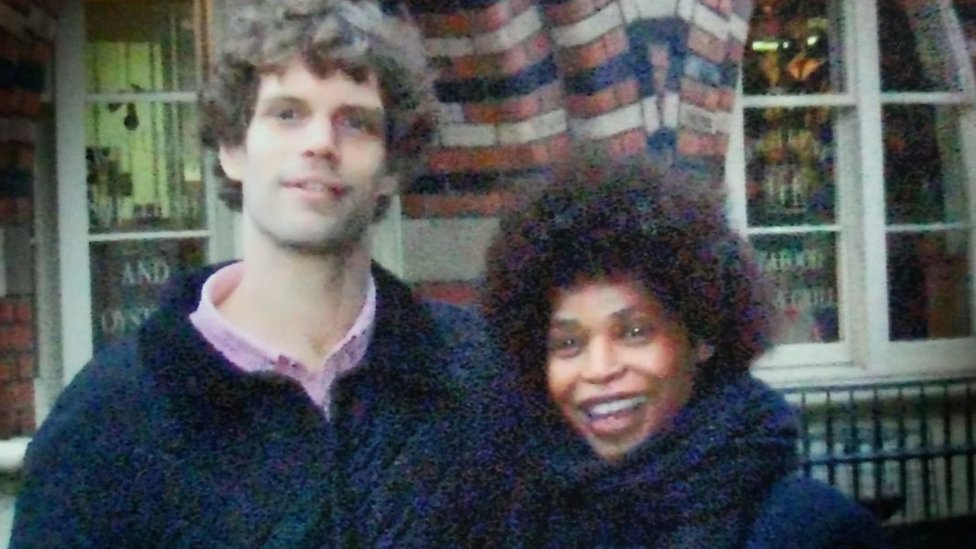
Following a high-profile trial, justice was served in a manner that balanced legal precedent with the severity of the crime. On May 17, 2018, the jury acquitted Wallace of murder and manslaughter but convicted her of applying a corrosive fluid with intent under Section 29 of the Offences Against the Person Act 1861. Sentencing took place on May 23, 2018, before Mrs. Justice Nicola Davies, who described the attack as “an act of pure evil” and “sadistic.” Wallace received a life sentence with a minimum term of 12 years before parole eligibility, minus time spent on remand (approximately 972 days). The judge emphasized the calculated nature of the offense and its direct role in van Dongen’s prolonged suffering and ultimate death, noting that the injuries were intended to disfigure and disable him so that no other woman would find him attractive. This case marked one of the first instances in the UK where an acid attack perpetrator received a life sentence, setting a significant precedent. It also sparked broader societal discussions on domestic violence, acid crime legislation, and the ethics of euthanasia in cases of extreme trauma. Van Dongen’s father, Kees, displayed remarkable dignity throughout the proceedings, becoming a voice for his son’s memory and for greater awareness of such crimes. Wallace’s conviction brought a measure of closure to the van Dongen family, though the pain of their loss remains indelible. The story of Mark van Dongen endures as a cautionary tale about the destructive power of unchecked jealousy and the resilience required to confront such profound evil, influencing public policy and victim support initiatives in the years since.
References
- BBC News: Mark van Dongen acid attack reports (2018)
- The Guardian: Berlinah Wallace jailed for life (May 23, 2018)
- Judiciary.uk: Official Sentencing Remarks - R v Berlinah Wallace (2018)
- Avon and Somerset Police: Official statements on the conviction
- CBS News: Coverage of Mark van Dongen’s assisted suicide (2018)
- NPR: Woman sentenced to life for acid attack (2018)
- The Washington Post: Detailed reporting on the case (2018)